

Sample article — draft wording for AP Facades approval, not a published company announcement.
What a visual survey cannot always show
A facade may appear consistent from the outside while concealing a complex arrangement of insulation, fixings and interfaces. A visual survey is a useful starting point, but it cannot establish every detail of the construction behind the outer surface.
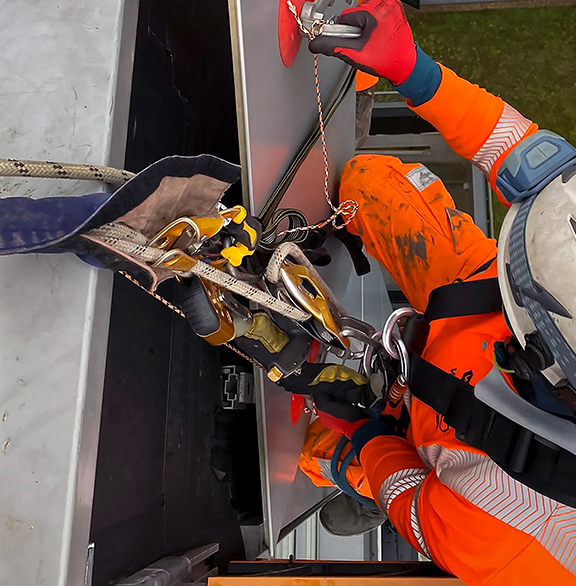
Where the survey brief calls for it, targeted opening-up can provide evidence about concealed elements. The locations and extent of those inspections should be agreed by the relevant professionals, based on the building and the questions that need answering.
Evidence before assumptions
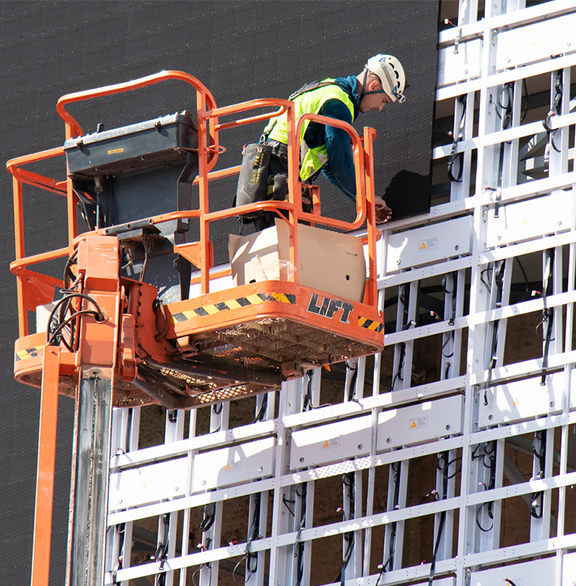
A useful inspection record connects each observation to a location, a photograph and a description of what was found. Clearly identifying the limits of the survey is just as important as recording its findings.
That evidence can inform the next stage of assessment or design. It should not be treated as a blanket guarantee for parts of a building that have not been inspected.
Planning the next step
Access arrangements, resident communication and making good should be considered before inspection starts. A coordinated brief helps the inspection team collect information that the building owner and design team can actually use.
This is a general, sample editorial article rather than technical or regulatory advice. The approach for an individual building must be agreed with appropriately qualified professionals.
Supporting inspection imagery supplied by AP Facades; not a case study for this article.